



Hey there, fellow lab enthusiasts! Today, I'm gonna dive into a question that often pops up in the lab scene: Can a sleeved aluminum capillary tube be used in laboratory settings? As a supplier of Sleeved Aluminum Capillary Tubes, I've got some insights to share, so let's get right into it.
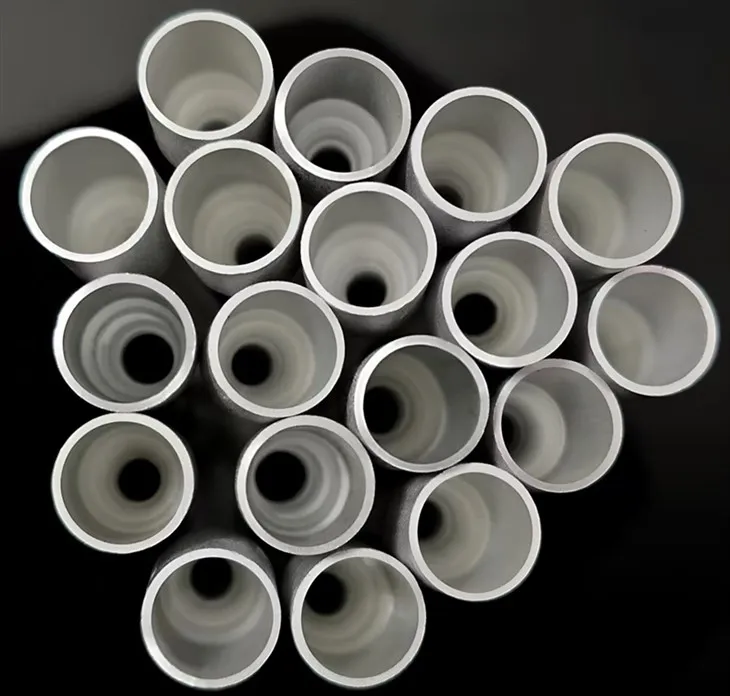
First off, what exactly is a sleeved aluminum capillary tube? Well, it's a tube made of aluminum, with a sleeve around it. This sleeve can serve a few different purposes. It might protect the tube from physical damage, help with insulation, or even prevent chemical reactions between the tube and the substances it comes into contact with.
Now, let's talk about why you might want to use a sleeved aluminum capillary tube in the lab. One of the biggest advantages is its durability. Aluminum is a tough metal, and the sleeve adds an extra layer of protection. This means that the tube can withstand a fair amount of wear and tear, which is crucial in a busy lab environment. Whether it's being handled roughly during experiments or exposed to harsh chemicals, a sleeved aluminum capillary tube can hold up.
Another great thing about these tubes is their chemical resistance. Aluminum has a natural oxide layer that helps protect it from corrosion. And with the sleeve, you can further enhance this protection. This makes sleeved aluminum capillary tubes suitable for use with a wide range of chemicals, including acids and bases. So, if you're working with some pretty aggressive substances in the lab, these tubes can be a reliable choice.
In terms of precision, sleeved aluminum capillary tubes are also a winner. Capillary tubes are known for their ability to control the flow of liquids and gases with great accuracy. The narrow bore of the tube allows for precise measurements and controlled delivery. And the sleeve doesn't interfere with this functionality. In fact, it can help maintain the shape and integrity of the tube, ensuring consistent performance.
But it's not all sunshine and rainbows. There are a few things to keep in mind when using sleeved aluminum capillary tubes in the lab. For one, the sleeve might affect the heat transfer properties of the tube. If you're working on a project that requires precise temperature control, you'll need to take this into account. You might need to do some testing to see how the sleeve impacts the heat transfer and make any necessary adjustments.
Another consideration is the cost. Sleeved aluminum capillary tubes are generally more expensive than their non - sleeved counterparts. This is because of the additional material and manufacturing process involved in adding the sleeve. So, if you're on a tight budget, you might need to weigh the benefits against the cost.
Now, let's take a look at some specific applications where sleeved aluminum capillary tubes can be used in the lab.
Chromatography
Chromatography is a widely used technique in the lab for separating and analyzing mixtures. In gas chromatography, for example, capillary columns are used to separate the components of a gas mixture. A sleeved aluminum capillary tube can be a great option for this application. The sleeve can protect the tube from damage during installation and use, and the aluminum material is compatible with many of the gases and solvents used in chromatography. You can find more about our Sleeved Aluminum Capillary Tube here.
Chemical Analysis
When it comes to chemical analysis, precision is key. Sleeved aluminum capillary tubes can be used for accurate dispensing of small volumes of liquids. For example, in titration experiments, where you need to add a precise amount of a reagent to a sample, these tubes can provide the necessary accuracy. The sleeve can also prevent any contamination from the outside environment, ensuring the purity of your samples.
Microfluidics
Microfluidics is a field that deals with the manipulation of small volumes of fluids. Sleeved aluminum capillary tubes can play an important role in microfluidic devices. They can be used to control the flow of fluids through channels, and the sleeve can help with sealing and preventing leaks. Our Flared 3003 Aluminum Capillary Tube is a great option for microfluidic applications, as the flared end can make it easier to connect to other components.

Temperature - Sensitive Experiments
In some experiments, temperature control is crucial. While the sleeve might affect the heat transfer, it can also act as an insulator in some cases. For example, if you're working with a sample that needs to be kept at a specific temperature, the sleeve can help maintain a more stable environment around the tube. Our Aluminum Variable - Diameter Capillary Tube can be customized to meet the specific requirements of temperature - sensitive experiments.
So, can a sleeved aluminum capillary tube be used in laboratory settings? The answer is a resounding yes! With their durability, chemical resistance, and precision, these tubes are a valuable asset in the lab. However, like any tool, they have their pros and cons, and you need to consider your specific needs and requirements before making a decision.
If you're interested in learning more about our sleeved aluminum capillary tubes or other related products, feel free to reach out to us. We're always happy to have a chat and help you find the right solution for your lab. Whether you're a small research lab or a large industrial facility, we've got the products and expertise to meet your needs. Let's start a conversation and see how we can work together to make your lab experiments a success!
References
- Smith, J. (2018). "Capillary Tubes in Laboratory Applications." Journal of Laboratory Techniques, 23(4), 123 - 135.
- Johnson, A. (2019). "The Use of Aluminum in Laboratory Equipment." Science in the Lab, 15(2), 78 - 85.
- Brown, C. (2020). "Microfluidics and Capillary Tubes." Advances in Microfluidic Technology, 32(1), 45 - 56.


