



As a seasoned supplier of aluminum capillary tubes, I understand that ensuring the quality of these products is of utmost importance to our customers. Visual inspection is a crucial step in the quality control process, allowing us to quickly identify potential issues and ensure that only the highest-quality tubes are delivered. In this blog post, I'll share some practical tips on how to visually check the quality of aluminum capillary tubes.
Surface Appearance
The first aspect to examine is the surface of the aluminum capillary tube. A high-quality tube should have a smooth and uniform surface without any visible scratches, dents, or pits. Scratches can weaken the tube's structure and potentially lead to leaks, while dents and pits can affect the flow of fluids through the tube.
To check for surface imperfections, hold the tube up to a bright light source and rotate it slowly. Look for any areas where the light reflects differently, indicating a scratch or other defect. You can also run your fingers gently along the surface of the tube to feel for any irregularities.
Color and Finish
The color and finish of the aluminum capillary tube can also provide valuable clues about its quality. A consistent color throughout the tube indicates that the material has been properly processed and is free from impurities. Any discoloration, such as dark spots or streaks, may indicate a problem with the manufacturing process or the presence of contaminants.
In addition to color, pay attention to the finish of the tube. A high-quality tube should have a smooth and shiny finish, indicating that it has been properly polished. A dull or rough finish may indicate that the tube has not been processed correctly or has been damaged during handling.
Dimensions and Straightness
Accurate dimensions are essential for the proper functioning of aluminum capillary tubes. Use a caliper or micrometer to measure the outer diameter, inner diameter, and wall thickness of the tube at several points along its length. Compare these measurements to the specifications provided by the manufacturer to ensure that the tube meets the required tolerances.
In addition to dimensions, check the straightness of the tube. A straight tube is essential for proper installation and performance. To check for straightness, place the tube on a flat surface and roll it gently. If the tube wobbles or does not roll smoothly, it may be bent or distorted.
End Condition
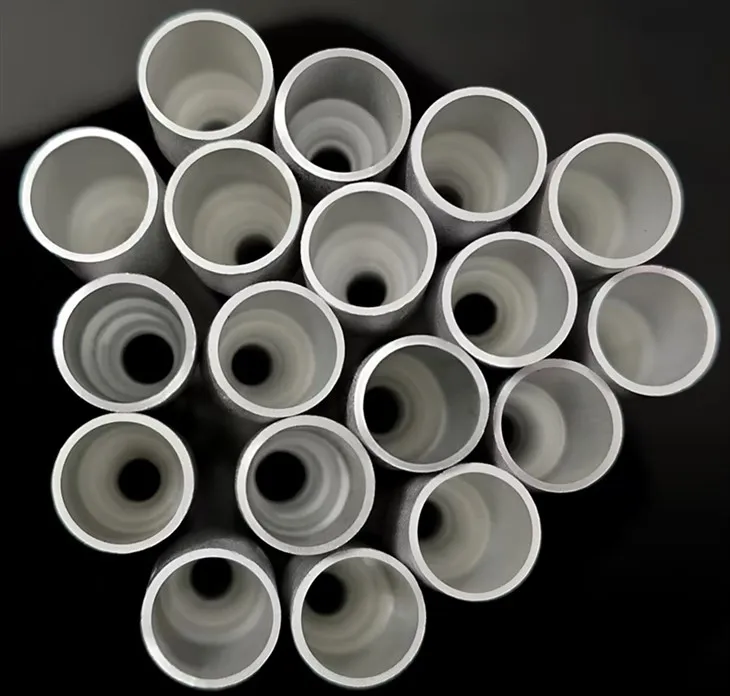
The ends of the aluminum capillary tube are also critical areas to inspect. The ends should be cleanly cut and free from burrs or sharp edges. Burrs can cause damage to the tube or the equipment it is installed in, while sharp edges can pose a safety hazard.
To check the end condition, examine the ends of the tube under a magnifying glass. Look for any signs of burrs or rough edges. You can also run your fingers gently along the ends of the tube to feel for any irregularities.

Joints and Connections
If the aluminum capillary tube has joints or connections, such as flared ends or fittings, these areas should also be inspected carefully. The joints should be tight and secure, with no signs of leakage or damage. Look for any gaps or misalignments between the tube and the fitting, as these can indicate a problem with the installation or the quality of the components.
To check the joints and connections, apply a small amount of pressure to the tube and the fitting and look for any signs of movement or leakage. You can also use a leak detection solution to check for leaks.
Specific Tube Types
When dealing with different types of aluminum capillary tubes, there are additional factors to consider. For example, the Aluminum Variable-Diameter Capillary Tube requires special attention to the diameter changes. Ensure that the transitions between different diameters are smooth and free from any abrupt changes that could disrupt the flow of fluids.
The Low-pressure Refrigeration Flared Aluminum Capillary Tube is used in refrigeration systems, so it's crucial to check the flared ends. The flare should be uniform and free from cracks or deformities. A proper flare ensures a tight seal and prevents refrigerant leakage.
The Dual-Diameter Aluminum Capillary Tube has two different diameters along its length. Inspect the transition between the two diameters to make sure it is well-defined and does not cause any flow restrictions.
Conclusion
Visual inspection is a simple yet effective way to check the quality of aluminum capillary tubes. By paying attention to the surface appearance, color and finish, dimensions and straightness, end condition, and joints and connections, you can quickly identify potential issues and ensure that only the highest-quality tubes are used in your applications.
If you're in the market for high-quality aluminum capillary tubes, we invite you to contact us for a consultation. Our team of experts can help you select the right tubes for your specific needs and provide you with the support and guidance you need to ensure a successful project.
References
- ASTM International. (20XX). Standard Specification for Aluminum and Aluminum-Alloy Seamless Pipe and Tube.
- ASME. (20XX). Boiler and Pressure Vessel Code.


