



What is the Wall Thickness of Medical Equipment Straight Copper Capillary Tubes?
As a supplier of Medical Equipment Straight Copper Capillary Tubes, I am often asked about the wall thickness of these tubes. The wall thickness of medical equipment straight copper capillary tubes is a crucial factor that affects their performance, durability, and suitability for various medical applications. In this blog post, I will delve into the details of wall thickness, its significance, and how it impacts the use of these tubes in the medical field.
Understanding Wall Thickness
The wall thickness of a copper capillary tube refers to the distance between the inner and outer surfaces of the tube. It is typically measured in millimeters (mm) or inches. The wall thickness can vary depending on the specific requirements of the medical equipment and the intended application. For medical equipment, the wall thickness is carefully designed to balance several factors, including strength, flexibility, and the ability to withstand pressure.
Significance of Wall Thickness in Medical Applications
- Strength and Durability: A sufficient wall thickness is essential to ensure the tube can withstand the mechanical stresses and pressures encountered in medical equipment. For example, in intravenous (IV) systems, the tube needs to be strong enough to handle the flow of fluids without collapsing or bursting. A thicker wall provides greater strength and durability, reducing the risk of leaks or failures.
- Fluid Flow and Pressure Resistance: The wall thickness affects the internal diameter of the tube, which in turn influences the flow rate and pressure resistance. A thinner wall may allow for a larger internal diameter, facilitating a higher flow rate of fluids. However, it also reduces the tube's ability to withstand high pressures. On the other hand, a thicker wall can provide better pressure resistance but may limit the flow rate. Therefore, finding the right balance is crucial for optimal performance.
- Biocompatibility: Medical equipment straight copper capillary tubes are in direct contact with biological fluids and tissues. The wall thickness can impact the biocompatibility of the tube. A thinner wall may allow for better diffusion of substances across the tube, which can be beneficial in some applications. However, it also increases the risk of corrosion or leaching of copper ions into the biological environment. A thicker wall can provide a more stable barrier, reducing the potential for adverse reactions.
Factors Affecting Wall Thickness
- Medical Application: Different medical applications have different requirements for wall thickness. For example, in diagnostic equipment such as blood analyzers, a thinner wall may be preferred to allow for rapid sample flow and accurate measurements. In contrast, in surgical instruments or implantable devices, a thicker wall may be necessary to ensure strength and durability.
- Material Properties: The type of copper used in the capillary tube can also affect the wall thickness. Different grades of copper have different mechanical properties, such as strength and ductility. For example, Soft-State TU1 Copper Capillary Straight Tube is known for its high purity and excellent ductility, which may allow for a thinner wall while maintaining the required strength. On the other hand, Hard-State TP2 Copper Capillary Straight Tube is stronger and more resistant to deformation, which may require a thicker wall.
- Manufacturing Process: The manufacturing process can also influence the wall thickness. Precision manufacturing techniques can produce tubes with consistent wall thickness, ensuring high quality and performance. For example, extrusion or drawing processes can be used to control the wall thickness accurately.
Common Wall Thickness Ranges
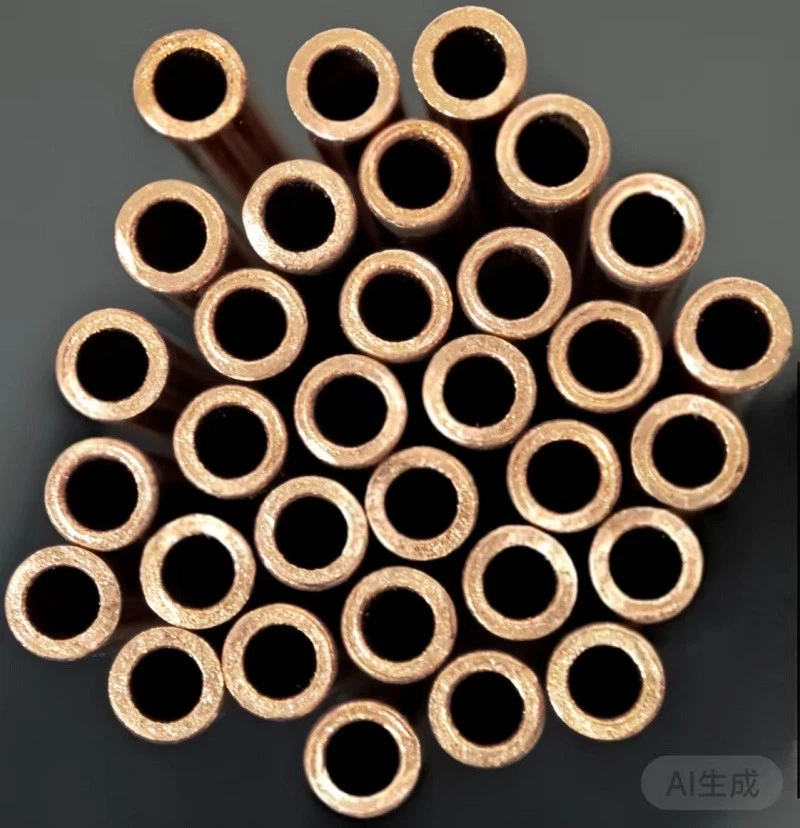
The wall thickness of medical equipment straight copper capillary tubes can vary widely depending on the specific application. Generally, the wall thickness ranges from 0.1 mm to 1.0 mm. For applications that require high flexibility and low pressure, such as in some catheters, a thinner wall (around 0.1 - 0.3 mm) may be used. For applications that require high strength and pressure resistance, such as in some surgical instruments, a thicker wall (around 0.5 - 1.0 mm) may be necessary.

Choosing the Right Wall Thickness
When choosing the wall thickness of medical equipment straight copper capillary tubes, it is important to consider the specific requirements of the application. Here are some key factors to keep in mind:
- Functionality: Determine the required flow rate, pressure resistance, and flexibility for the application. This will help you select the appropriate wall thickness.
- Biocompatibility: Consider the potential interactions between the tube and the biological environment. A thicker wall may provide better protection against corrosion and leaching.
- Cost: Thicker walls generally require more material, which can increase the cost. Balance the performance requirements with the cost to find the most cost-effective solution.
- Manufacturer's Recommendations: Consult with the manufacturer or supplier to get their recommendations based on their expertise and experience. They can provide valuable insights and guidance on selecting the right wall thickness for your specific application.
Our Products and Expertise
As a supplier of Medical Equipment Straight Copper Capillary Tubes, we offer a wide range of products with different wall thicknesses to meet the diverse needs of the medical industry. Our Instrumentation Straight Copper Capillary Tube is designed for precise instrumentation applications, with a carefully selected wall thickness to ensure accurate measurements and reliable performance. We also offer Soft-State TU1 Copper Capillary Straight Tube and Hard-State TP2 Copper Capillary Straight Tube, each with its own unique properties and advantages.
Our team of experts is dedicated to providing high-quality products and excellent customer service. We understand the importance of wall thickness in medical applications and can help you select the right tube for your specific needs. Whether you are developing a new medical device or looking to improve an existing one, we are here to support you.
Contact Us for Procurement
If you are interested in purchasing Medical Equipment Straight Copper Capillary Tubes or have any questions about wall thickness or our products, please feel free to contact us. We would be happy to discuss your requirements and provide you with a detailed quote. Our goal is to help you find the best solution for your medical equipment needs.
References
- "Copper in Medical Applications." Copper Development Association.
- "Medical Device Materials: Properties and Applications." CRC Press.
- "Capillary Tube Technology for Medical Devices." Journal of Medical Device Technology.


