



Hey there! I'm a supplier of Bent Aluminum Capillary Tubes, and today I wanna dig deep into how the bending process affects the internal surface of these nifty tubes.
First off, let's talk about what aluminum capillary tubes are. They're super thin tubes made of aluminum, and they're used in a bunch of different industries, from refrigeration to medical equipment. And when we say "bent," we mean these tubes are shaped to fit specific needs. That bending process is crucial, but it can have a big impact on the tube's internal surface.
One of the most significant effects of the bending process is on the internal diameter of the tube. When you bend an aluminum capillary tube, the inner radius of the bend experiences compression, while the outer radius undergoes tension. This uneven stress distribution can cause the internal diameter at the bend to change. In some cases, the compression on the inner side can lead to a reduction in the internal diameter. This change in diameter might seem small, but it can have a huge impact on the flow of fluid or gas through the tube. For instance, in a refrigeration system, a minor reduction in the internal diameter of a capillary tube can mess up the refrigerant flow, leading to inefficiencies or even system failures.
Another thing that happens during the bending process is the formation of wrinkles or corrugations on the internal surface. When the tube is bent, the material has to deform, and if the bending is done too sharply or without the right techniques, wrinkles can form on the inside of the bend. These wrinkles can act as obstacles to the smooth flow of fluids or gases. Think of it like trying to swim through a narrow channel full of bumps and ridges – it's gonna slow you down. In applications where a consistent flow rate is crucial, these wrinkles can be a real problem.
The bending process can also cause changes in the surface roughness of the internal surface. When the tube is bent, the material is subjected to stress and strain, which can lead to the growth of micro - scratches or the redistribution of surface imperfections. A rougher internal surface can increase the friction between the fluid or gas flowing through the tube and the tube wall. This increased friction means that more energy is required to move the fluid or gas, which isn't great for efficiency. In a long - term use scenario, this can lead to higher energy consumption and more wear and tear on the system.
Now, let's touch on how we, as suppliers, deal with these issues. We've got a bunch of techniques to minimize the negative effects of the bending process on the internal surface of our Bent Aluminum Capillary Tubes. For example, we use controlled bending methods. By carefully controlling the bending radius and the speed of the bending process, we can reduce the stress on the tube and minimize the chances of diameter changes, wrinkle formation, and surface roughness increase.
We also use pre - treatment and post - treatment processes. Before bending, we can treat the tubes to make them more malleable and resistant to stress. And after bending, we can perform finishing processes like polishing to smooth out the internal surface and remove any minor imperfections. This way, we can ensure that our tubes meet the high - quality standards required by our customers.
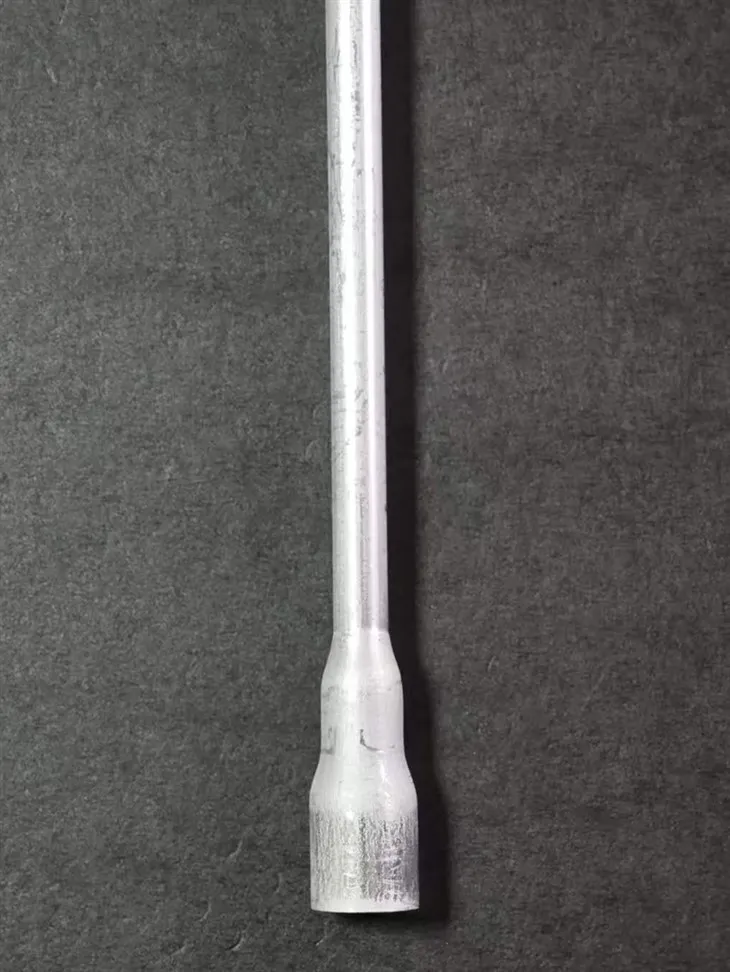
If you're in the market for high - quality capillary tubes, we've got a range of options for you. Check out our Aluminum Variable - Diameter Capillary Tube, which offers flexibility in terms of diameter variations. And for small refrigeration equipment, our Small Refrigeration Equipment Flared Aluminum Capillary Tube is a great choice. Of course, if you specifically need bent tubes, our Bent Aluminum Capillary Tube is the way to go.
We're committed to providing top - notch products and excellent customer service. If you're interested in learning more or making a purchase, don't hesitate to reach out. We're here to answer any questions you might have and work with you to find the perfect capillary tube solutions for your needs.
In conclusion, the bending process of aluminum capillary tubes can have several effects on the internal surface, but with the right techniques and processes, we can minimize these negative impacts and provide high - quality products. Whether you're in the refrigeration, medical, or other industries, our Bent Aluminum Capillary Tubes can meet your requirements. So, go ahead and take a look at our products, and let's start a conversation to get the best capillary tube solutions for you.

References:
- "Principles of Pipe Bending" by some engineering textbooks on tube manufacturing
- Technical literature from aluminum alloy research institutions regarding the deformation properties of aluminum materials during bending processes


