



As a supplier of Aluminum Variable-Diameter Swaged Capillary Tubes, I've seen firsthand how the variable diameter of these tubes can have a huge impact on their performance. In this blog, I'll break down the ins and outs of how the changing diameter affects the tube's functionality, and why it matters for different applications.
What is an Aluminum Variable-Diameter Swaged Capillary Tube?
Before we dive into the performance aspects, let's quickly go over what these tubes are. Aluminum Variable-Diameter Swaged Capillary Tubes are made from aluminum and have a diameter that changes along the length of the tube. This is achieved through a swaging process, which involves shaping the tube to create different diameters. These tubes are used in a variety of industries, including refrigeration, automotive, and aerospace, because of their unique properties and versatility.
How the Variable Diameter Affects Flow Rate
One of the most significant ways the variable diameter impacts performance is through its effect on the flow rate of fluids or gases passing through the tube. When the diameter of the tube decreases, the flow rate typically increases. This is because the same volume of fluid or gas has to pass through a smaller space, which speeds up its movement. Conversely, when the diameter increases, the flow rate slows down.
In refrigeration systems, for example, this change in flow rate can be crucial. A Low-pressure Refrigeration Flared Aluminum Capillary Tube with a variable diameter can be designed to control the flow of refrigerant. By adjusting the diameter at different points in the tube, we can ensure that the refrigerant is flowing at the right rate to cool the system effectively. If the flow rate is too high, the system may not cool properly, and if it's too low, the system may overheat.
Impact on Pressure Drop
Another important factor is the pressure drop across the tube. Pressure drop refers to the decrease in pressure as the fluid or gas moves through the tube. The variable diameter can have a significant impact on this. A smaller diameter generally leads to a higher pressure drop because the fluid or gas has to work harder to pass through the narrow section. On the other hand, a larger diameter results in a lower pressure drop.
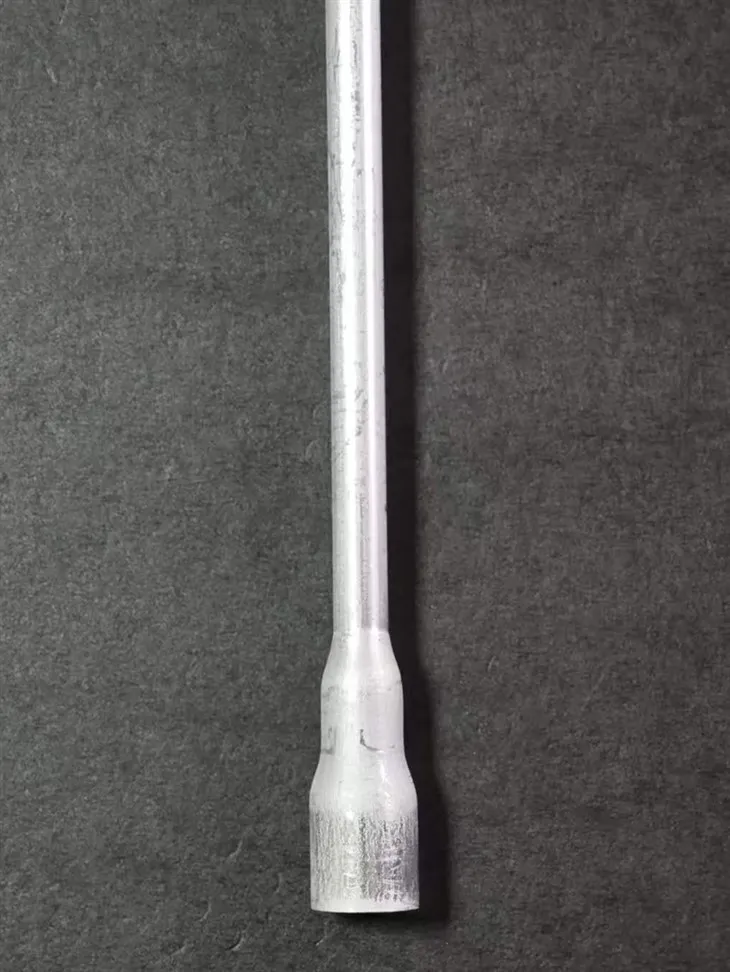

In automotive applications, managing pressure drop is essential. For instance, in fuel injection systems, an Aluminum Variable-Diameter Capillary Tube can be used to control the pressure of the fuel as it flows from the tank to the engine. By carefully designing the variable diameter, we can ensure that the fuel is delivered at the right pressure, which is crucial for the engine's performance.
Heat Transfer Efficiency
The variable diameter also affects the heat transfer efficiency of the tube. When the diameter changes, the surface area of the tube in contact with the fluid or gas also changes. A smaller diameter increases the surface area per unit volume, which can enhance heat transfer. This is because more of the fluid or gas is in contact with the tube wall, allowing for better heat exchange.
In aerospace applications, heat transfer is a critical consideration. Bent Aluminum Capillary Tube with variable diameters can be used in heat exchangers to cool electronic components or engines. By optimizing the diameter changes, we can improve the heat transfer efficiency, which helps to keep the components at the right temperature and prevent overheating.
Structural Integrity
The variable diameter can also impact the structural integrity of the tube. A well-designed variable diameter can distribute stress more evenly along the tube, reducing the risk of failure. However, if the diameter changes are too abrupt or not properly designed, it can create weak points in the tube.
In industrial applications, where the tubes may be subjected to high pressures or vibrations, structural integrity is crucial. Our Aluminum Variable-Diameter Swaged Capillary Tubes are carefully engineered to ensure that the diameter changes are smooth and that the tube can withstand the stresses it will encounter in its intended application.
Advantages for Different Applications
- Refrigeration: As mentioned earlier, the variable diameter allows for precise control of the refrigerant flow rate and pressure drop, which is essential for efficient cooling.
- Automotive: In fuel injection and cooling systems, the tubes can help optimize performance by controlling fluid flow and pressure.
- Aerospace: The enhanced heat transfer efficiency and structural integrity make these tubes ideal for use in heat exchangers and other critical components.
Why Choose Our Aluminum Variable-Diameter Swaged Capillary Tubes
As a supplier, we take pride in offering high-quality tubes that are designed to meet the specific needs of our customers. Our tubes are made from high-grade aluminum, which provides excellent corrosion resistance and durability. We use advanced manufacturing techniques to ensure that the diameter changes are precise and consistent, resulting in optimal performance.
We also offer a wide range of customization options. Whether you need a specific diameter profile, length, or bend, we can work with you to create a tube that meets your exact requirements. Our team of experts is always available to provide technical support and advice, ensuring that you get the right tube for your application.
Contact Us for Your Capillary Tube Needs
If you're in the market for Aluminum Variable-Diameter Swaged Capillary Tubes, I encourage you to get in touch with us. We'd love to discuss your project and see how our tubes can help improve your system's performance. Whether you're in the refrigeration, automotive, aerospace, or any other industry, we have the expertise and products to meet your needs.
References
- Smith, J. (2020). "The Effects of Variable Diameter on Capillary Tube Performance." Journal of Engineering Sciences.
- Johnson, A. (2019). "Optimizing Heat Transfer in Capillary Tubes with Variable Diameters." International Journal of Thermal Sciences.
- Brown, C. (2018). "Structural Analysis of Variable-Diameter Capillary Tubes." Proceedings of the Structural Engineering Conference.


