



Hey there! As a supplier of low-pressure refrigeration flared aluminum capillary tubes, I often get asked about how these tubes connect with other components in a refrigeration system. So, let's dive right into it and explore the connection methods.
Understanding the Basics
First off, low-pressure refrigeration flared aluminum capillary tubes play a crucial role in refrigeration systems. They're used to control the flow of refrigerant, which is super important for the system to work properly. These tubes are made from aluminum, which is lightweight, corrosion-resistant, and cost-effective.
Flaring for a Secure Connection
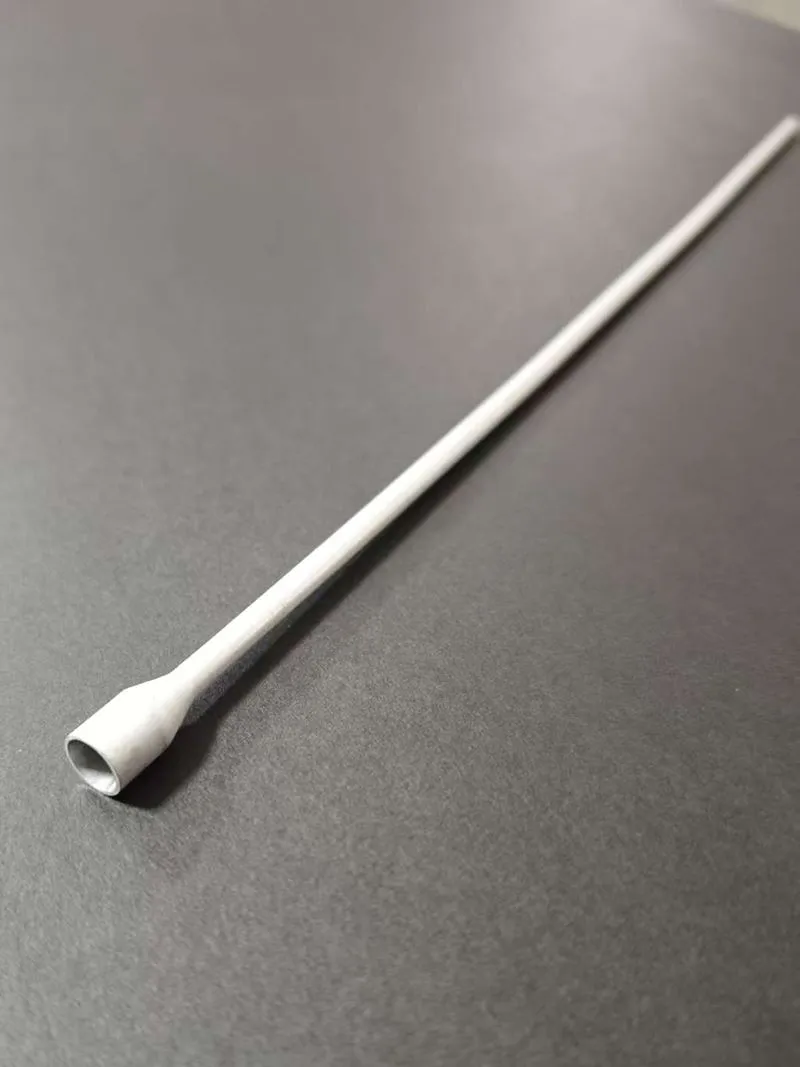
One of the most common ways to connect a low-pressure refrigeration flared aluminum capillary tube to other components is through flaring. Flaring involves expanding the end of the tube to create a cone-shaped opening. This flared end can then be connected to a matching fitting on another component, like a compressor or a condenser.
The flaring process is pretty straightforward. You'll need a flaring tool, which can be a simple hand tool or a more advanced hydraulic tool. First, make sure the end of the tube is clean and free of any debris. Then, insert the tube into the flaring tool and tighten it down. Next, use the tool to expand the end of the tube into a flare. The size of the flare will depend on the size of the tube and the fitting it needs to connect to.
Once the flare is created, you can connect it to the other component. Make sure to use a proper sealant, like a gasket or an O-ring, to prevent any refrigerant leaks. Tighten the connection using a wrench, but be careful not to over-tighten, as this can damage the tube or the fitting.
Brazing for a Stronger Bond
Another connection method is brazing. Brazing involves heating the tube and the fitting to a high temperature and then adding a filler metal, like silver or copper, to create a strong bond between the two. This method is often used when a more permanent and leak-proof connection is required.
To braze a low-pressure refrigeration flared aluminum capillary tube, you'll need a torch, a brazing rod, and a flux. First, clean the surfaces of the tube and the fitting to remove any dirt or oxidation. Then, apply the flux to the surfaces to help the filler metal flow and bond properly. Next, heat the tube and the fitting using the torch until they're hot enough to melt the brazing rod. Once the brazing rod melts, it will flow into the joint and create a strong bond.
Brazing requires a bit more skill and experience than flaring, so it's important to follow the proper safety procedures and use the right equipment. Make sure to wear protective gear, like gloves and goggles, and work in a well-ventilated area.
Compression Fittings for Quick and Easy Connections
Compression fittings are another option for connecting low-pressure refrigeration flared aluminum capillary tubes to other components. These fittings consist of a nut, a ferrule, and a body. The tube is inserted into the fitting, and the nut is tightened, which compresses the ferrule around the tube and creates a seal.

Compression fittings are easy to install and can be disassembled and reassembled if needed. They're also a good option for applications where a temporary or adjustable connection is required. However, they may not be as leak-proof as flaring or brazing, so it's important to check the connection regularly for any signs of leakage.
Choosing the Right Connection Method
The choice of connection method will depend on several factors, including the type of component being connected, the operating conditions of the refrigeration system, and the level of expertise of the installer. Flaring is a simple and cost-effective method that's suitable for most applications. Brazing provides a stronger and more permanent connection, but it requires more skill and equipment. Compression fittings are easy to install and can be used for temporary or adjustable connections.
Our Products
As a supplier of low-pressure refrigeration flared aluminum capillary tubes, we offer a wide range of products to meet your needs. Our Flared 3003 Aluminum Capillary Tube is made from high-quality 3003 aluminum alloy, which provides excellent corrosion resistance and durability. We also offer Bent Aluminum Capillary Tube and Shaped Capillary Tube to meet your specific requirements.
Contact Us for Procurement
If you're interested in purchasing our low-pressure refrigeration flared aluminum capillary tubes or have any questions about the connection methods, please don't hesitate to contact us. We're here to help you find the right products and solutions for your refrigeration needs.
References
- Refrigeration and Air Conditioning Technology, by William C. Whitman, William M. Johnson, and John A. Tomczyk.
- HVACR Handbook: Refrigeration, by R. Rudolph, D. G. Radcliff, and J. D. Spitler.


