



Hey there! As a supplier of low - pressure refrigeration flared aluminum capillary tubes, I've gotten a ton of questions about the difference between flared and non - flared ones. So, I thought I'd break it down for you in this blog post.
Let's start with the basics. A capillary tube in a refrigeration system is a crucial component. It's like a small, thin pipe that controls the flow of refrigerant. The refrigerant goes through the capillary tube, and its flow rate is regulated based on the tube's diameter and length. This regulation is super important for the proper functioning of the refrigeration cycle.
What is a Flared Aluminum Capillary Tube?
A low - pressure refrigeration flared aluminum capillary tube has one or both ends flared. The flaring process involves expanding the end of the tube to create a wider opening. This flared end serves several purposes. First off, it makes the connection to other components in the refrigeration system much easier. When you're installing the capillary tube, the flared end can be easily attached to a valve or another tube. It provides a better seal compared to a non - flared tube.
The flared design also helps in reducing the risk of refrigerant leakage. Since the connection is more secure, there's less chance of the refrigerant escaping, which is not only good for the environment but also for the efficiency of the refrigeration system. A well - sealed connection means that the refrigerant can flow through the system as it should, without any loss of pressure or performance.
Another advantage of a flared tube is that it can handle a bit more stress at the connection point. During the operation of the refrigeration system, there can be vibrations and pressure changes. The flared end can better withstand these forces without getting damaged. This is especially important in applications where the system is subject to a lot of movement or where there are frequent temperature and pressure variations.

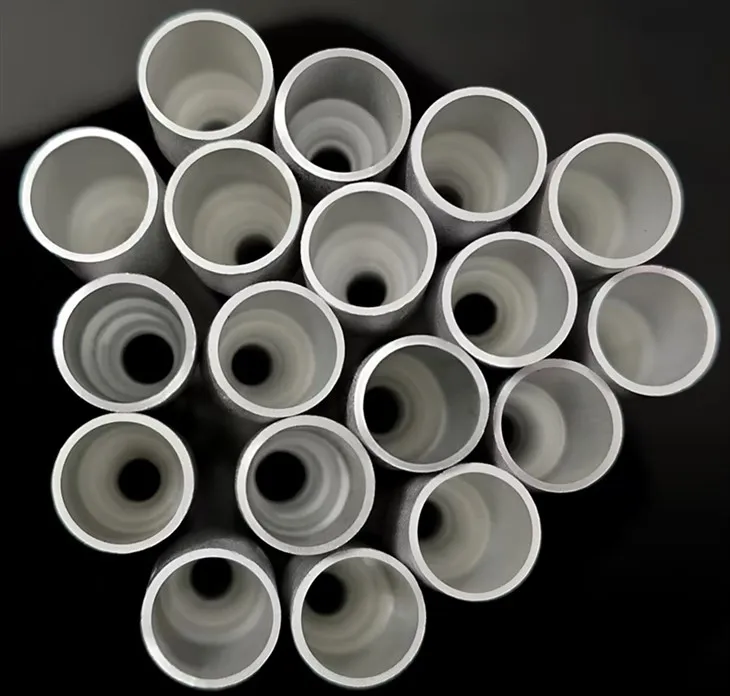
What is a Non - Flared Aluminum Capillary Tube?
On the other hand, a non - flared aluminum capillary tube has straight ends. Its design is simpler, and it's often used in situations where the connection method doesn't require a flared end. For example, in some small - scale refrigeration systems or in applications where specialized connectors are used that can work with a straight - ended tube.
Non - flared tubes are generally easier and cheaper to manufacture. There's no need for the extra step of flaring the ends, which saves time and resources. This can make them a more cost - effective option for some applications, especially when budget is a major concern.
However, non - flared tubes do have their limitations. The connection process can be a bit more tricky. You need to use specific connectors or methods to ensure a proper seal, and these connectors might add to the overall cost of the system. Also, the seal may not be as reliable as that of a flared tube. There's a higher risk of refrigerant leakage, which can lead to reduced system efficiency and potential environmental issues.
Comparison of Performance
When it comes to performance, the flared and non - flared tubes can have different characteristics. In terms of flow control, both types can effectively regulate the flow of refrigerant based on their diameter and length. However, the flared tube's better connection can sometimes lead to more consistent flow.
The pressure drop across the capillary tube is also an important factor. A well - connected flared tube can minimize the pressure drop at the connection point, which means that the overall pressure drop across the tube is more predictable. In a non - flared tube, the less - secure connection can cause some random pressure variations, which might affect the performance of the refrigeration system.
In terms of durability, the flared tube has an edge. As mentioned earlier, it can better withstand the mechanical stresses that occur during the operation of the system. Non - flared tubes may be more prone to damage at the connection points, especially if they're not installed correctly.
Applications
The choice between a flared and non - flared low - pressure refrigeration aluminum capillary tube often depends on the specific application. For large - scale commercial refrigeration systems, flared tubes are usually preferred. These systems require high - performance components that can provide a reliable and long - lasting operation. The need for a secure connection and minimal refrigerant leakage is crucial in commercial settings where downtime can be very costly.
On the other hand, non - flared tubes are commonly used in small - scale domestic refrigeration systems or in some DIY projects. In these cases, cost is often a significant factor, and the simplicity of the non - flared tube can be an advantage.
Our Product Range
As a supplier of low - pressure refrigeration flared aluminum capillary tubes, we also offer a variety of related products. Check out our Sleeved Aluminum Capillary Tube, which provides an extra layer of protection. Our Aluminum Variable - Diameter Capillary Tube allows for more precise flow control, and the Bent Aluminum Capillary Tube can be a great solution for systems with limited space.
Contact Us for Your Purchase
If you're in the market for low - pressure refrigeration aluminum capillary tubes or any of our related products, don't hesitate to reach out. We're here to help you find the best solution for your specific needs. Whether you need a large quantity for a commercial project or just a few tubes for a small - scale job, we've got you covered. Contact us today to start the procurement process!
References
- Refrigeration and Air Conditioning Technology by William C. Whitman, William M. Johnson, John A. Tomczyk, and Eugene Silberstein
- Handbook of Refrigeration by James G. Brennan


