



As a supplier of Reduced-End Aluminum Capillary Tubes, I often encounter questions from customers regarding the maintenance requirements of these products. In this blog, I'll delve into whether reduced-end aluminum capillary tubes require special maintenance, exploring the factors that influence their upkeep and offering practical advice.
Understanding Reduced-End Aluminum Capillary Tubes
Reduced-end aluminum capillary tubes are widely used in various industries, including refrigeration, automotive air conditioning, and medical devices. Their unique design, with a reduced end, allows for precise fluid flow control, making them essential components in many systems. The aluminum material offers several advantages, such as corrosion resistance, lightweight, and good thermal conductivity.
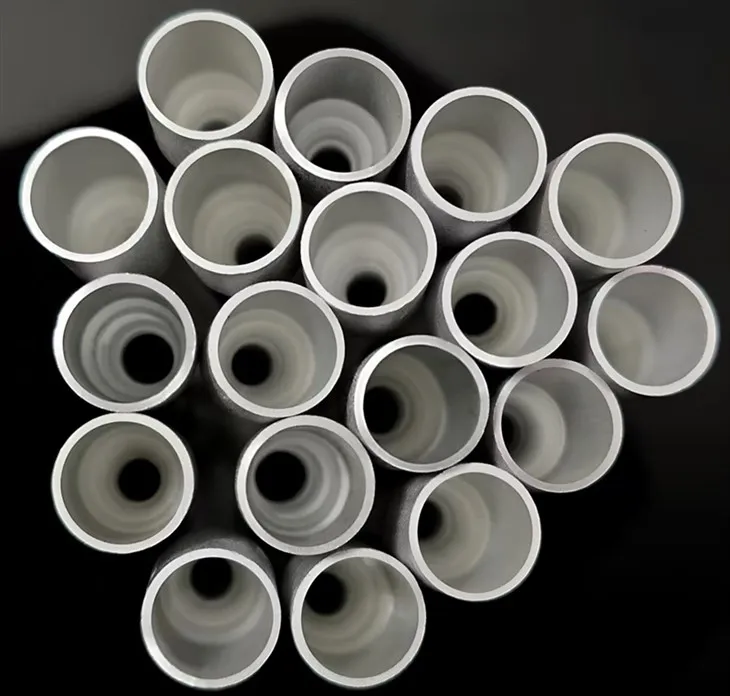

Factors Affecting Maintenance
1. Environmental Conditions
The environment in which the reduced-end aluminum capillary tubes operate plays a significant role in determining their maintenance needs. In harsh environments, such as those with high humidity, exposure to chemicals, or extreme temperatures, the tubes may be more prone to corrosion and damage. For example, in coastal areas where the air contains salt, the aluminum tubes can experience accelerated corrosion if not properly protected.
2. Fluid Characteristics
The type of fluid flowing through the capillary tubes also affects their maintenance. If the fluid is corrosive, abrasive, or contains contaminants, it can cause wear and tear on the inner surface of the tubes. For instance, in refrigeration systems that use certain refrigerants, there may be a risk of chemical reactions with the aluminum, leading to corrosion or blockages.
3. System Design and Operation
The design and operation of the system in which the capillary tubes are installed can impact their performance and longevity. Improper installation, such as kinking or bending the tubes beyond their recommended limits, can restrict fluid flow and cause stress on the tubes. Additionally, fluctuations in pressure and temperature within the system can also affect the tubes' integrity.
Special Maintenance Requirements?
In general, reduced-end aluminum capillary tubes do not require extensive special maintenance. However, some precautions can be taken to ensure their optimal performance and longevity.
1. Corrosion Protection
To prevent corrosion, especially in harsh environments, a protective coating can be applied to the aluminum tubes. This coating acts as a barrier between the aluminum and the corrosive elements in the environment. Additionally, regular inspections can help detect any signs of corrosion early, allowing for timely intervention.
2. Cleaning
Periodic cleaning of the capillary tubes is recommended to remove any contaminants or debris that may accumulate inside. This can be done using a suitable cleaning solution and a gentle flushing process. However, care must be taken to ensure that the cleaning process does not damage the tubes.
3. Inspection
Regular inspections are crucial to identify any potential issues with the capillary tubes. This includes checking for signs of leaks, blockages, or damage. Any abnormalities should be addressed promptly to prevent further problems.
Comparison with Other Types of Capillary Tubes
When considering the maintenance requirements of reduced-end aluminum capillary tubes, it's useful to compare them with other types of capillary tubes. For example, copper capillary tubes are also commonly used in similar applications. While copper is more resistant to corrosion in some environments, it is also heavier and more expensive. Aluminum capillary tubes, on the other hand, offer a more cost-effective and lightweight alternative.
Related Products
If you're interested in other types of capillary tubes, we also offer a range of products, including Shaped Capillary Tube, Flared 3003 Aluminum Capillary Tube, Low-pressure Refrigeration Flared Aluminum Capillary Tube, Automotive Air Conditioning Flared Aluminum Capillary Tube, and Aluminum Variable-Diameter Swaged Capillary Tube. Each of these products has its own unique features and applications, and our team can help you choose the right one for your specific needs.
Conclusion
In conclusion, while reduced-end aluminum capillary tubes do not require special maintenance in most cases, taking some basic precautions can help ensure their optimal performance and longevity. By considering the environmental conditions, fluid characteristics, and system design, you can develop a maintenance plan that suits your specific requirements. If you have any questions or need further information about our Reduced-End Aluminum Capillary Tubes or other related products, please feel free to contact us for a procurement discussion.
References
- "Aluminum Alloys: Properties and Applications" - A comprehensive guide on the properties and uses of aluminum alloys.
- "Capillary Tube Design and Application in Refrigeration Systems" - A technical paper on the design and application of capillary tubes in refrigeration systems.


