



Hey there! As a supplier of Precision Equipment Copper Capillary Tubes, I often get asked about the fracture toughness of these tubes. So, I thought I'd write this blog to shed some light on this important topic.
First off, let's talk about what fracture toughness actually is. In simple terms, fracture toughness is a material's ability to resist the propagation of cracks. When it comes to precision equipment copper capillary tubes, this property is super crucial. These tubes are used in all sorts of applications, from medical devices to electronic equipment, and any crack or break can lead to serious malfunctions.
Copper is a well - known material for its good ductility and conductivity. But when it comes to fracture toughness, several factors come into play. The purity of the copper used in the capillary tubes is one of the key factors. Higher purity copper generally has better fracture toughness because there are fewer impurities that can act as stress concentrators and initiate cracks.
The manufacturing process also has a significant impact on the fracture toughness of copper capillary tubes. For example, if the tubes are cold - drawn, the grains in the copper structure are elongated, which can improve the tube's strength and fracture resistance. On the other hand, improper heat treatment during manufacturing can lead to a reduction in fracture toughness.
Another important aspect is the wall thickness of the capillary tubes. Thicker - walled tubes usually have higher fracture toughness because they can withstand more stress before a crack propagates. However, in precision equipment, there are often strict requirements for the size and weight of the components, so finding the right balance between wall thickness and other performance requirements is essential.
Now, let's take a look at some of the specific types of precision equipment copper capillary tubes we offer.
One of our popular products is the Capillary Tube With Bosses At Both Ends. These tubes are designed with bosses at both ends, which can provide additional support and improve the overall mechanical performance. The bosses can also help in the installation process, ensuring a more secure connection. In terms of fracture toughness, the design of the bosses can distribute stress more evenly, reducing the risk of crack initiation and propagation.
We also have the Reduced - End TP2 Copper Capillary Tube. The reduced ends of these tubes are useful in applications where a more precise fit is required. The TP2 copper used in these tubes has good corrosion resistance and relatively high fracture toughness. The shape of the reduced ends can also affect the stress distribution within the tube, which in turn impacts its fracture behavior.
The Hard - State TP2 Copper Capillary Straight Tube is another great option. The hard - state treatment gives the tube higher strength and better fracture resistance. This type of tube is suitable for applications where the tube needs to withstand high - stress conditions without breaking.
To measure the fracture toughness of our copper capillary tubes, we use a variety of testing methods. One common method is the single - edge notched bend (SENB) test. In this test, a notch is made in the tube, and then a bending force is applied. By measuring the load at which the crack starts to propagate, we can determine the fracture toughness of the tube.
We also conduct fatigue tests to simulate the long - term use of the tubes. Fatigue can cause cracks to form and grow over time, even under relatively low stress levels. By subjecting the tubes to cyclic loading, we can evaluate their resistance to fatigue and predict their lifespan in real - world applications.
In addition to the material and manufacturing factors, the environment in which the copper capillary tubes are used can also affect their fracture toughness. For example, exposure to corrosive substances can weaken the copper and reduce its fracture resistance. High - temperature environments can also change the mechanical properties of the copper, potentially leading to a decrease in fracture toughness.
So, if you're in the market for precision equipment copper capillary tubes, it's important to consider the fracture toughness of the tubes. You need to make sure that the tubes can withstand the stress and conditions in your specific application.
As a supplier, we're committed to providing high - quality copper capillary tubes with excellent fracture toughness. We use advanced manufacturing techniques and strict quality control measures to ensure that our tubes meet the highest standards.
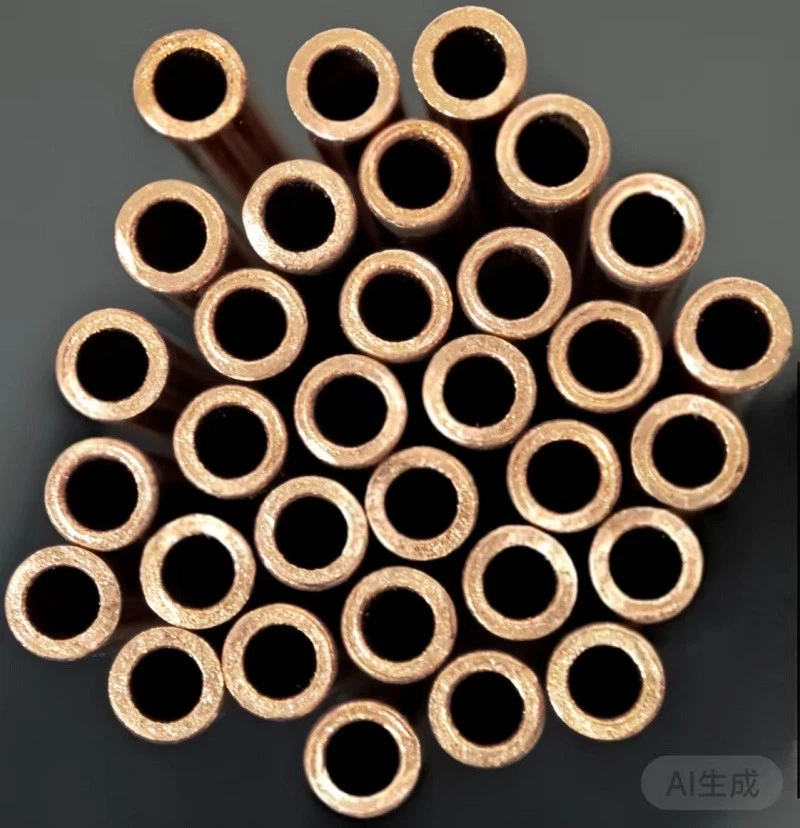

If you're interested in learning more about our products or have any questions about the fracture toughness of our copper capillary tubes, feel free to reach out to us. We'd be more than happy to discuss your requirements and help you find the right solution for your project. Whether you need a small quantity for a prototype or a large - scale production order, we've got you covered.
Let's work together to ensure that your precision equipment runs smoothly and efficiently with our top - notch copper capillary tubes. Don't hesitate to start a conversation with us about your procurement needs.
References:
- "Materials Science and Engineering: An Introduction" by William D. Callister Jr. and David G. Rethwisch
- "Copper and Copper Alloys" technical literature from the Copper Development Association


