



As a supplier of commercial air conditioning copper capillary tubes, I've often been asked whether these tubes require any special storage conditions. In this blog, I'll share my insights based on years of experience in the industry.
Understanding Commercial Air Conditioning Copper Capillary Tubes
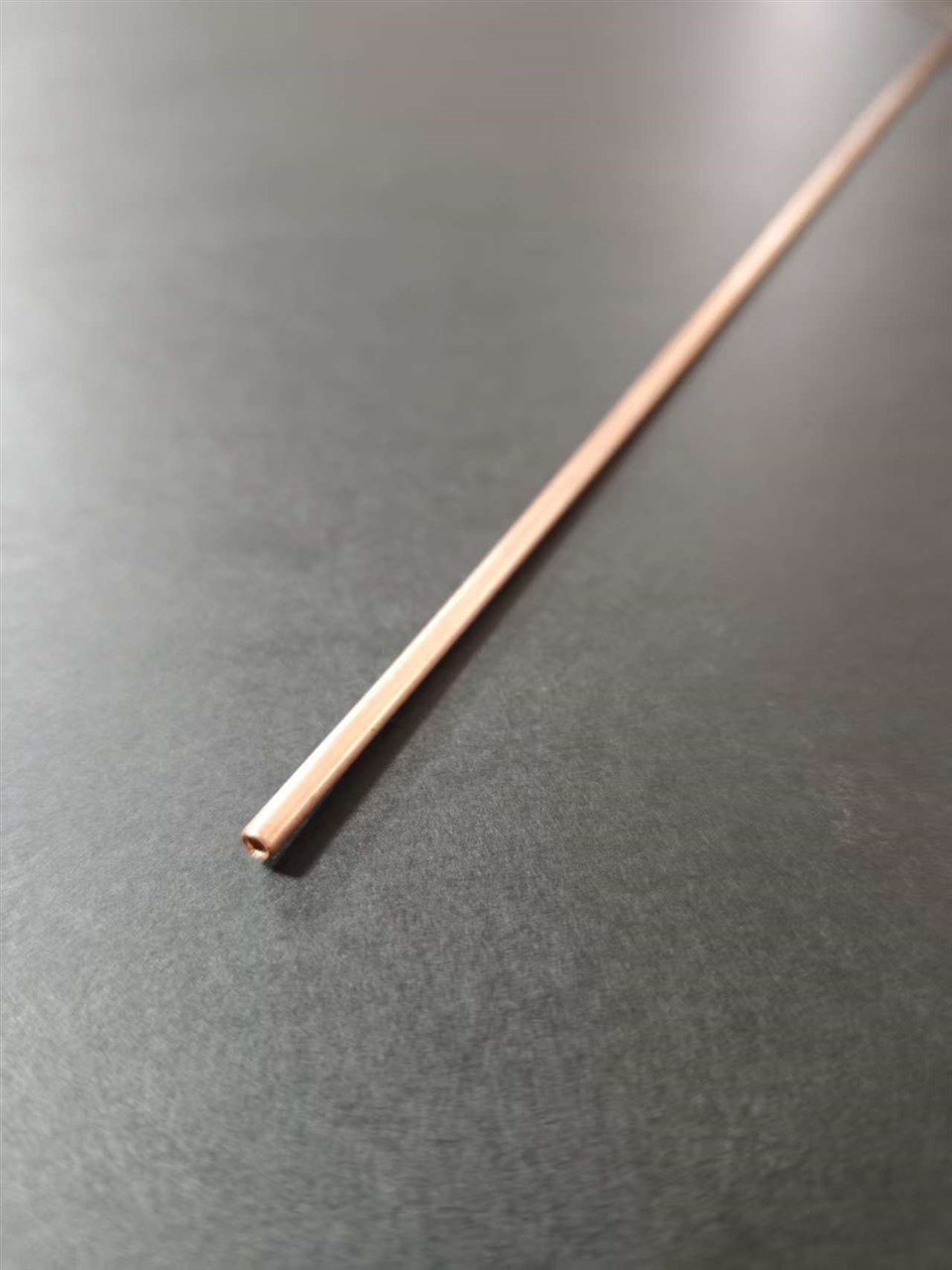
Commercial air conditioning copper capillary tubes play a crucial role in the refrigeration cycle of air conditioning systems. They are responsible for controlling the flow of refrigerant, ensuring that the system operates efficiently. These tubes are typically made of high - quality copper, such as TP2 copper, which offers excellent thermal conductivity and corrosion resistance.
There are different types of commercial air conditioning copper capillary tubes available in the market. For example, the Flared TP2 Copper Capillary Tube is designed with a flared end, which facilitates easy connection to other components in the air conditioning system. The Hard - State TP2 Copper Capillary Straight Tube is known for its high strength and is often used in applications where straight and rigid tubes are required. And the Capillary Tube With Bosses At Both Ends provides enhanced structural integrity at the connection points.
Why Special Storage Conditions Matter
Copper is a relatively stable metal, but it can still be affected by various environmental factors. Improper storage can lead to several issues that may compromise the quality and performance of the capillary tubes.
Oxidation
One of the most common problems is oxidation. When copper comes into contact with oxygen in the air, it forms a layer of copper oxide on its surface. This oxide layer can reduce the tube's thermal conductivity and may also cause blockages in the capillary tube, affecting the flow of refrigerant. In a humid environment, the oxidation process can be accelerated, leading to more severe damage.
Physical Damage
Capillary tubes are very thin and delicate. They can be easily bent, dented, or scratched during storage. Physical damage can change the internal diameter of the tube, which in turn affects the flow rate of the refrigerant. Even a small dent or scratch can cause significant problems in the air conditioning system.
Contamination
The tubes can also be contaminated with dust, dirt, or other foreign substances during storage. Contamination can block the tube, reducing the efficiency of the refrigerant flow and potentially causing the air conditioning system to malfunction.
Special Storage Conditions
To ensure the quality and performance of commercial air conditioning copper capillary tubes, the following storage conditions are recommended:
Temperature and Humidity
The storage environment should have a stable temperature and humidity level. The ideal temperature range is between 10°C and 30°C. Temperatures outside this range can cause the copper to expand or contract, which may lead to internal stress and damage. High humidity can accelerate oxidation, so the relative humidity should be kept below 60%.
It's also important to avoid sudden temperature and humidity changes. For example, if the tubes are stored in a cold environment and then suddenly moved to a warm and humid environment, condensation can form on the surface of the tubes, promoting oxidation.
Protection from Physical Damage
The tubes should be stored in a way that protects them from physical damage. They can be placed in special racks or containers that keep them straight and prevent them from being bent or dented. When stacking the tubes, care should be taken to ensure that the weight is evenly distributed to avoid crushing the lower tubes.
Clean and Dust - Free Environment
The storage area should be clean and dust - free. Regular cleaning of the storage facility can help prevent contamination. If possible, the tubes should be covered with a protective film or packaging to further reduce the risk of dust and dirt accumulation.
Isolation from Chemicals
Copper can react with certain chemicals, such as acids and alkalis. Therefore, the tubes should be stored away from any chemical substances. This includes cleaning agents, solvents, and other industrial chemicals that may be present in the storage area.
Storage Practices for Different Types of Tubes
The storage requirements may vary slightly depending on the type of capillary tube.
Flared TP2 Copper Capillary Tube
The flared end of this tube is more vulnerable to damage. When storing, it's important to ensure that the flared end is protected. Special caps can be used to cover the flared end, preventing it from being scratched or deformed.
Hard - State TP2 Copper Capillary Straight Tube
These tubes are relatively rigid, but they still need to be stored in a way that maintains their straightness. They can be stored in long, straight racks to prevent bending.
Capillary Tube With Bosses At Both Ends
The bosses at both ends of the tube provide some protection, but they also need to be kept clean and free from damage. When stacking these tubes, it's important to ensure that the bosses are not crushed.

Monitoring and Inspection
Regular monitoring and inspection of the stored tubes are essential. This can help detect any signs of oxidation, physical damage, or contamination early. Inspections should be carried out at least once a month.
During the inspection, the tubes should be visually examined for any signs of discoloration, which may indicate oxidation. The internal diameter of the tubes can also be measured to ensure that it has not changed due to physical damage. If any problems are detected, appropriate measures should be taken immediately, such as cleaning, repairing, or discarding the damaged tubes.
Conclusion
In conclusion, commercial air conditioning copper capillary tubes do require special storage conditions. By maintaining a stable temperature and humidity, protecting the tubes from physical damage, keeping the storage area clean, and isolating the tubes from chemicals, we can ensure that the tubes remain in good condition and perform their function effectively in air conditioning systems.
If you are interested in purchasing commercial air conditioning copper capillary tubes, I encourage you to contact us for further discussion. We are committed to providing high - quality products and excellent service to meet your needs.
References
- "Handbook of Copper and Copper Alloys" by ASM International
- "Refrigeration and Air Conditioning Technology" by William C. Whitman, William M. Johnson, and John A. Tomczyk


